The Definition of_NTP And Its mportance
The Network Time Protocol, or also known as NTP, is a networking protocol that enables clocks to be synchronized between different computer systems.
It was first introduced in 1985. Having synchronized clocks is also beneficial for many distributed applications. Therefore, if the server is located outside of the firewall, then the policy should allow the NTP server.
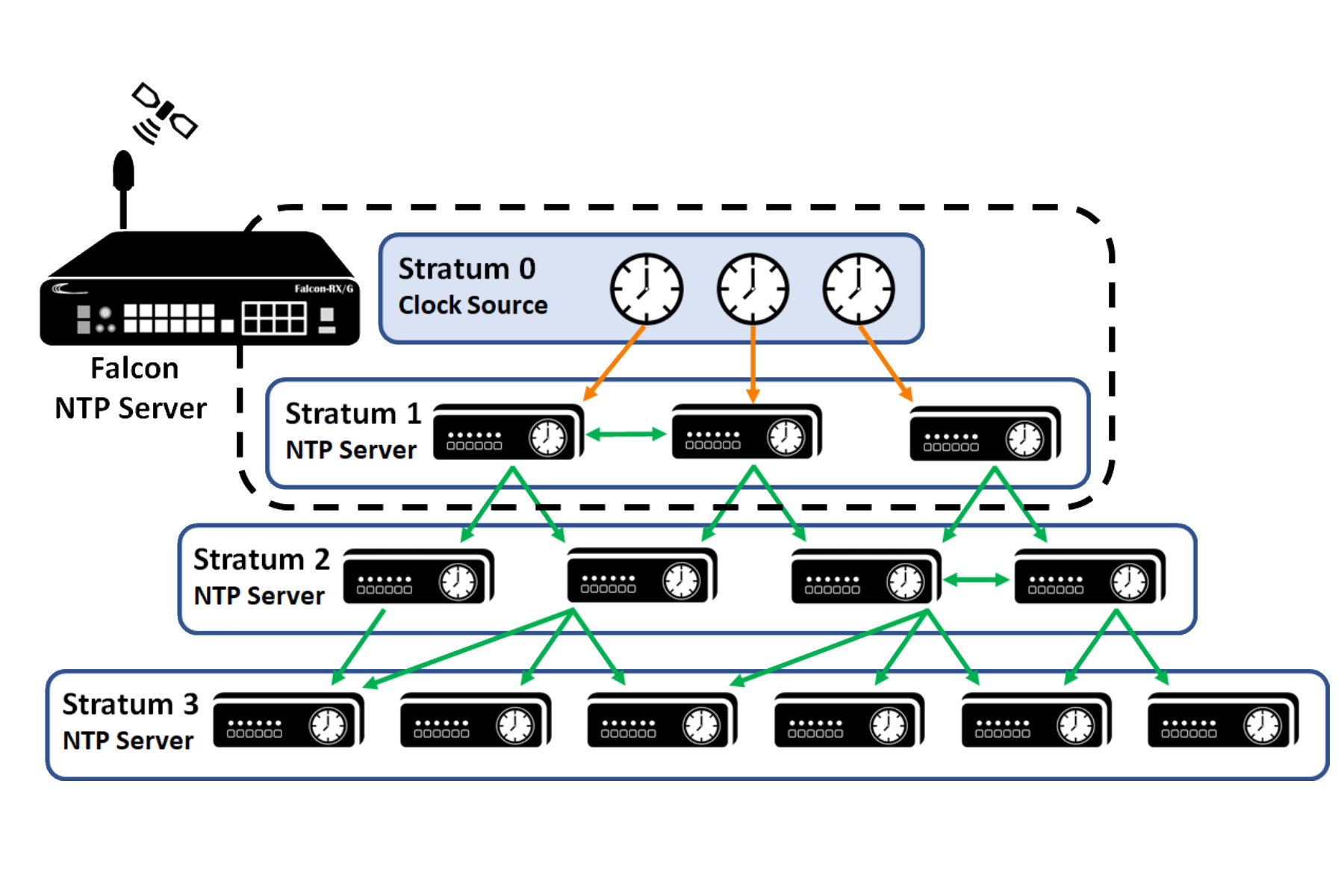
NTP is a distributed system that collects and stores time sources. Each level of the system is referred to as a stratum. A good Stratum 1 NTP server will allow you to keep track of all your devices and ensure that they are correctly synchronized. A server that is synchronized to a server at stratum n+ 1 is considered more reliable than other 2 time sources.
Does A Network Time Protocol (NTP) Need Internet?
To use the NTP server, the clients on the network do not rely on an active internet connection. If the internet connection is not working properly, the NTP server can determine if it's causing packet transmission delays.
Aside from the NTP server, devices can also rely on a GPS satellite to sync time. However, In an offline scenario, time synchronization can be achieved by establishing a local network connection to a remote server.
Does NTP A Risk To Security?
Although it's widely used, the NTP server is not secure by default. This issue can lead to distributed denial-of-service attacks and man-in-the-middle attacks. These attacks can allow unauthorized users to read and modify the traffic sent between servers and clients.
NTP is a program that synchronizes all participating computers within a few milliseconds of the synchronized Universal Time. It uses the intersection algorithm to select the most accurate time servers. In most cases, it can maintain time to within tens of seconds over the internet. However, it can also cause errors of up to 100 meters per second.